

It is crucial to choose a supplier that aligns with the organization’s values and requirements. Before creating a purchase order, it is essential to identify the specific needs of the business or organization. This involves evaluating current inventory levels, assessing demand, and considering any upcoming projects or requirements. Additionally, the supplier needs the PO to fill the order correctly.
- It helps to avoid misunderstandings and ensures both parties are on the same page.
- Purchase orders are essential in procurement and business operations, ensuring accuracy and accountability.
- A purchase order system provides better budget control and spending visibility.
- A purchase order communicates the terms, conditions, and stipulations of the deal.
- A purchase order can be useful for creating good long-term relationships with suppliers, as having a clear expectation for the order minimizes the risk of dispute on both ends.
- An e-commerce retailer uses an automated system to issue DPO for inventory replenishment.
- A quotation is an offer from a seller to provide goods or services at a specific price.
What happens if there’s a mistake on a purchase order?
- This involves vendor selection, price negotiation or confirmation, and formal PO document generation.
- Purchase orders are legally binding contracts issued by your business to another business or supplier to purchase and sell goods or services.
- Once the need for a purchase is identified, the next step is to select a suitable supplier.
- PO numbers aren’t just for tracking individual transactions; they play a crucial role in overall budget management.
- Nowadays, the PO process is no longer paper-based, and the buyer usually sends its suppliers an electronic PO.
- Because the order is fulfilled before the buyer receives their bill, a purchase order gives the seller insurance against non-payment.
You can raise a dispute, hold payment, or ask the supplier to correct it. Yes, TEU Global offers Purchase Order Management Services from supplier coordination to order tracking. Whether you’re a small freight business or a large warehouse operator, using purchase orders the right way will bring more control, more trust, and fewer problems. Or you can use purchase order software if you want to make it even easier and faster. As an essential ingredient in financial forecasting, pro forma statements let you try on the future for size—and see which business moves are the right fit for you. For the https://www.bookstime.com/ sake of efficiency and simplicity, companies will also often set a lower cost threshold for issuing a purchase order.

How does a purchase order function in procurement processes?

For example, your company might decide that it is most efficient if all orders smaller than $500 don’t use a purchase order. But as companies grow and their purchases become more complex, detailed, and urgent, a simple cash-for-goods purchasing system will lead to confusion. Purchase orders are used to officially confirm purchases, and are sent by the purchaser to the vendor.
What is a Purchase Order and Proforma Invoice?
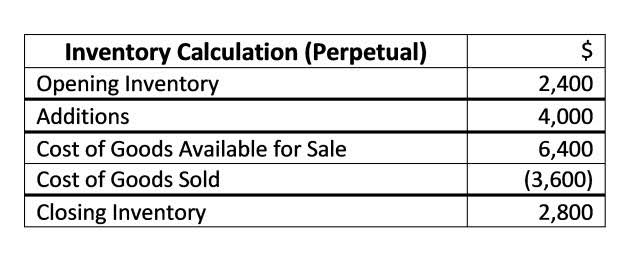
Unlike standard purchase orders, blanket purchase orders establish a predetermined set of terms and conditions, allowing for flexibility and efficiency in subsequent transactions. Furthermore, purchase orders offer several benefits beyond their primary what is a po in business functions. For instance, they can help streamline the accounts payable process by providing a reference for invoice matching and payment authorization.
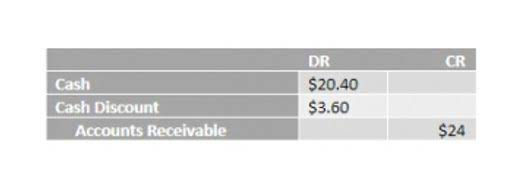
Even though POs are designed to create structure and clarity, suppliers can still encounter challenges throughout the process. Small errors in the PO can quickly ripple down into shipping delays, payment issues, and deductions. In the retail industry, purchase orders are critical for keeping operations smooth, reducing assets = liabilities + equity confusion, and ensuring that suppliers get paid accurately and on time. Whether or not you’re just starting out as a vendor, knowing how POs work can minimize mistakes and save revenue. POs provide a clear record of purchases, helping businesses manage budgets and prepare for audits.
For instance, a retail chain signs a contract PO with a beverage supplier to lock in pricing and terms for orders made throughout the year. For example, a factory issues a planned PO for 10,000 bolts but will call in 1,000 at a time based on production needs. Understanding how purchase orders work is key to optimizing internal operations. Once accepted by the supplier, it becomes a contract outlining what will be delivered, when, and at what price.
